A key component of Law Rocks’ mission is to promote music education for underserved youth. In 2023, due to our increased sponsorship and fundraising, Law Rocks was able to offer a new grant at each Law Rocks show: The Music Matters Grant. This grant is given to a local nonprofit that supports youth music education in each of our U.S. tour cities. Omi Crawford, director of Law Rocks, says of the grant initiative:
“Since our 2009 founding, Law Rocks has supported hundreds of incredible nonprofits, with an emphasis on youth music education organizations. The Music Matters grant is a natural evolution of our mission and a chance to formalize our support of amazing music education nonprofits across the country.”
Today’s spotlight is on our 2026 Law Rocks Seattle Music Matters grant recipient, Key to Change.
Key to Change makes world-class music instruction accessible to young people from underserved communities. Learn more about the organization in our Nonprofit Spotlight interview below.
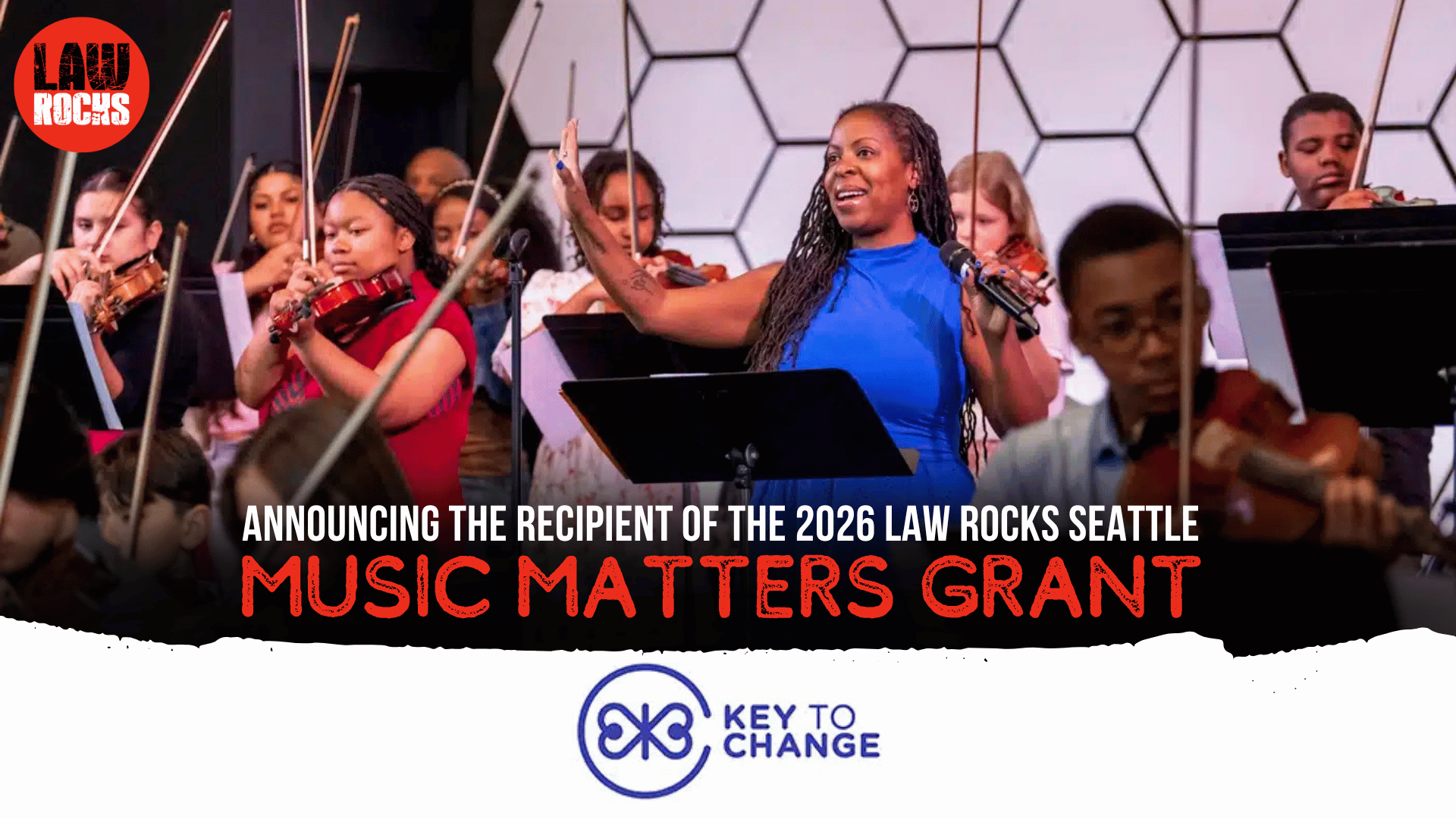
Our 2026 Seattle Music Matters Grant Recipient: Key to Change. | Photo courtesy of Key to Change
1) Can you tell us a little about the history of your nonprofit, as well as its mission and focus?
”Key to Change's mission is to inspire underserved youth through world-class music instruction and support their development as self-aware leaders.
We serve middle and high-school students from across South King County—primarily students of color from Renton, Kent, Auburn, White Center, Rainier Beach, Des Moines, and Federal Way. Since 2017, we have provided world-class instruction to hundreds of students, 91% of whom have continued with the program year after year. With essential support from our donors, we are proud to provide scholarship assistance to over 90% of our students, ensuring that high-quality violin and viola instruction is accessible to anyone who wishes to learn.
Key to Change gives students the chance to develop their sound while gaining important skills, such as discipline, preparation and self-awareness. We give young artists a place to belong and support one another, fostering leadership, community and meaningful relationships. At a time when music instruction in public schools is severely under-resourced, equitable access to these kinds of learning experiences is critically important.”
2) What is the best example of the way you’ve seen your organization’s work make a difference?
“Through rigorous musical study at Key to Change, young people from underserved communities are exposed to what is possible. For example, after only a few years of lessons in our program, students reach a musical level where they have the skills and confidence to perform as soloists with professional orchestras, for community events, and in some cases, for world leaders.
Because of their prodigious musical progress, our students have become true community assets. In addition to being sought after performers, they are the future leaders of their communities. Our students are accomplished public speakers who advocate for themselves and their communities through their performances, accomplishments, and speaking.
Music provides a unique opportunity for students to test themselves on big stages. By accomplishing great things on their instruments, they have the perseverance and determination to do other hard things. Our current students-- high school juniors and seniors--have been accepted to Harvard Secondary School on full scholarships to earn college credit. And our graduates are academic standouts at selective colleges and universities across the nation. They all credit their formative experiences at Key to Change, learning the violin or viola, as critical to their success in school and life.”
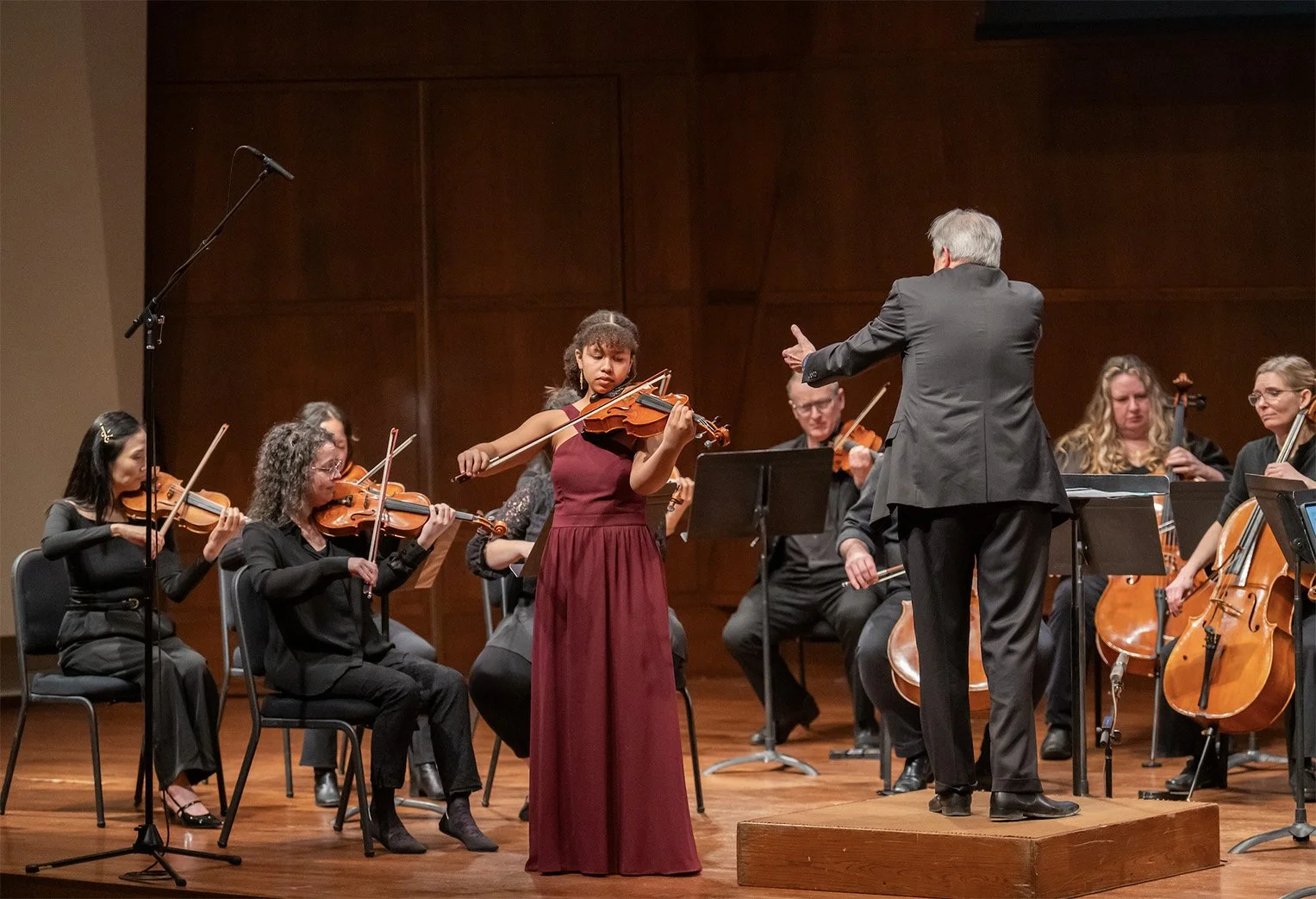
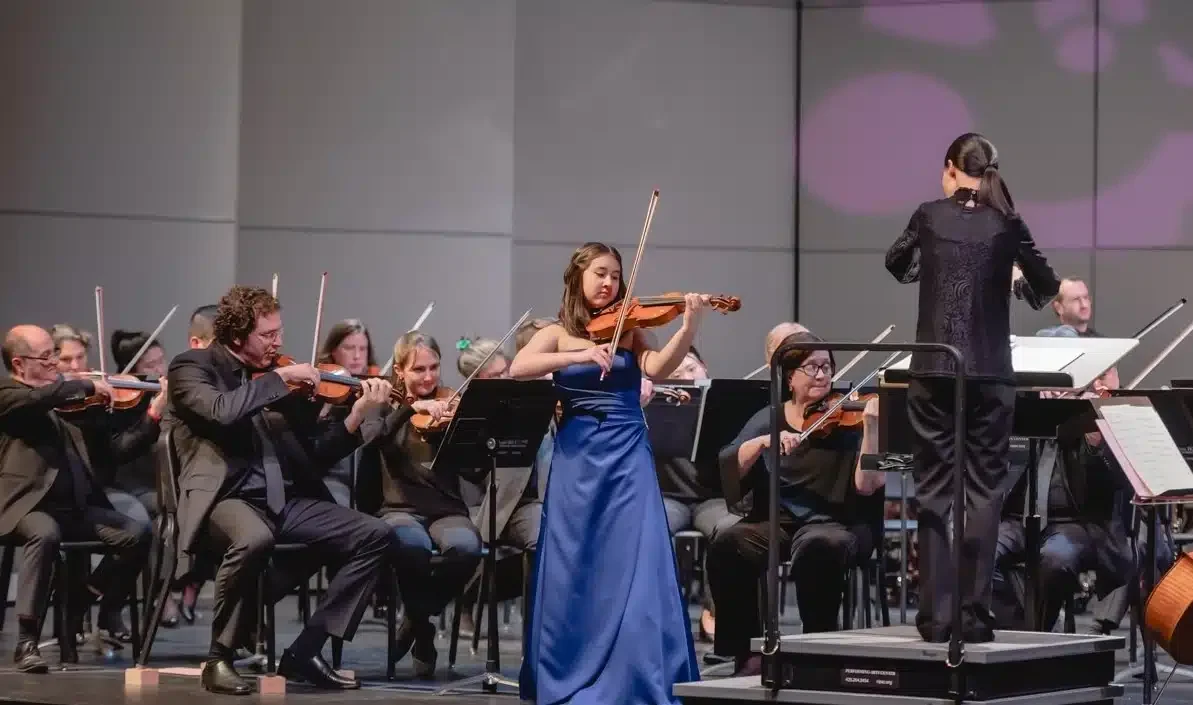
Concert and program activities at Key to Change | Photo courtesy of Key to Change.
3) What are some upcoming initiatives that you are planning for?
“Key to Change continues to expand its partnerships with schools and cultural organizations. These programs will provide more performance opportunities to young musicians and expand the reach of our programs to reach more underserved middle and high school students in our region.
For example, we have extended our partnership with Cristo Rey Jesuit Seattle High School for 3 years. What began as a pilot program in early 2026, will now be an extended program that serves students from underserved communities 5 days per week.
Additionally, we are growing the size of our core studios. Each year, the number of enrolled students grows as we offer more programs and more financial aid. In order to accommodate the growing demand, Key to Change will also need to expand its teaching staff. We expect to hire a part-time and a full-time instructor in the next 12 months.”
4) What is the greatest challenge your organization faces?
“Transportation is our greatest challenge. Students' ability to get to our studios is the primary hurdle that we face to enrolling new students. We have expanded our studios and partnerships across the region to lower the transportation barriers. But they remain a challenge.”
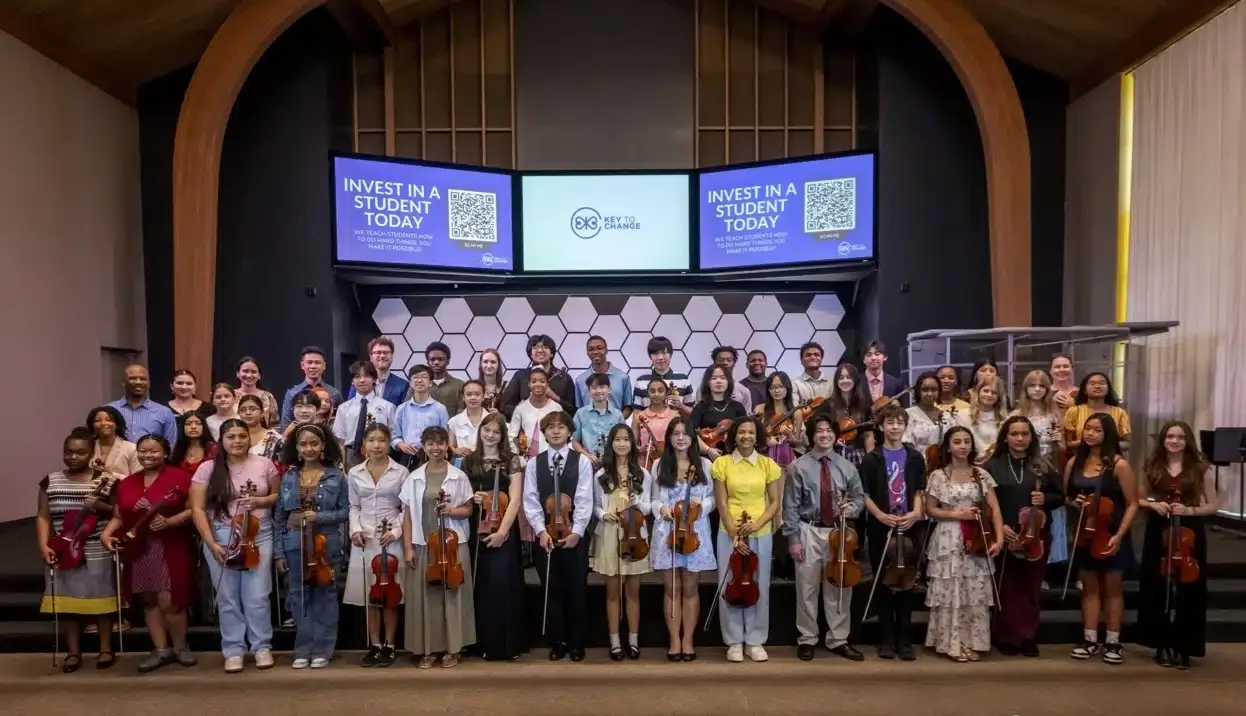
Concert and program activities at Key to Change | Photo courtesy of Key to Change.
5) What does the power of music mean to you?
“The power of music is in its universal appeal. That is not to say that every genre is for every person's taste, but nearly everyone appreciates that mastering an instrument is incredibly difficult. When a student stands on stage and performs beautifully, everyone in the audience appreciates their accomplishment.”
Concert and program activities at Key to Change | Photo courtesy of Key to Change.
6) How will the Music Matters grant be used?
“This grant will be used for musical accessories and instrument maintenance. $2,000 will be used to provide strings and maintenance on 50 instruments for students use. These funds will be critical to make sure that our students have every chance to succeed by ensuring their instruments sound great and play well.”
Learn more about Key to Change.
The Third Annual Law Rocks Seattle is Thursday, October 1, 2026 at The Crocodile. Click the button below for more information!